



Studio credit
Elephant Audio
Audio production · Sound design · Music production
LahorePKEngineering sound since 2018
Loading
Judge a Pakistani studio on four things: whether the room is acoustically treated rather than merely soundproofed, what monitoring the engineer actually mixes on, which files you receive at the end, and who keeps the session. Price varies enormously; those four decide whether the recording is usable a year later.
Pakistan has real studios and no directory worth the name. Most working rooms are visible only through Instagram, which shows you the gear and the lighting and tells you nothing about whether the room is treated, what the engineer mixes on, or what you walk away with.
The supply is also thinner than the number of listings suggests. The country's only national performing-arts academy carried roughly seventy music students in 2021, and there is no established audio-engineering pipeline behind it. A great deal of the equipment in Pakistani studios is better than the acoustics around it.
So the useful questions are not about the console or the microphone list. They are about the room, the monitoring, the files, and who keeps the session.
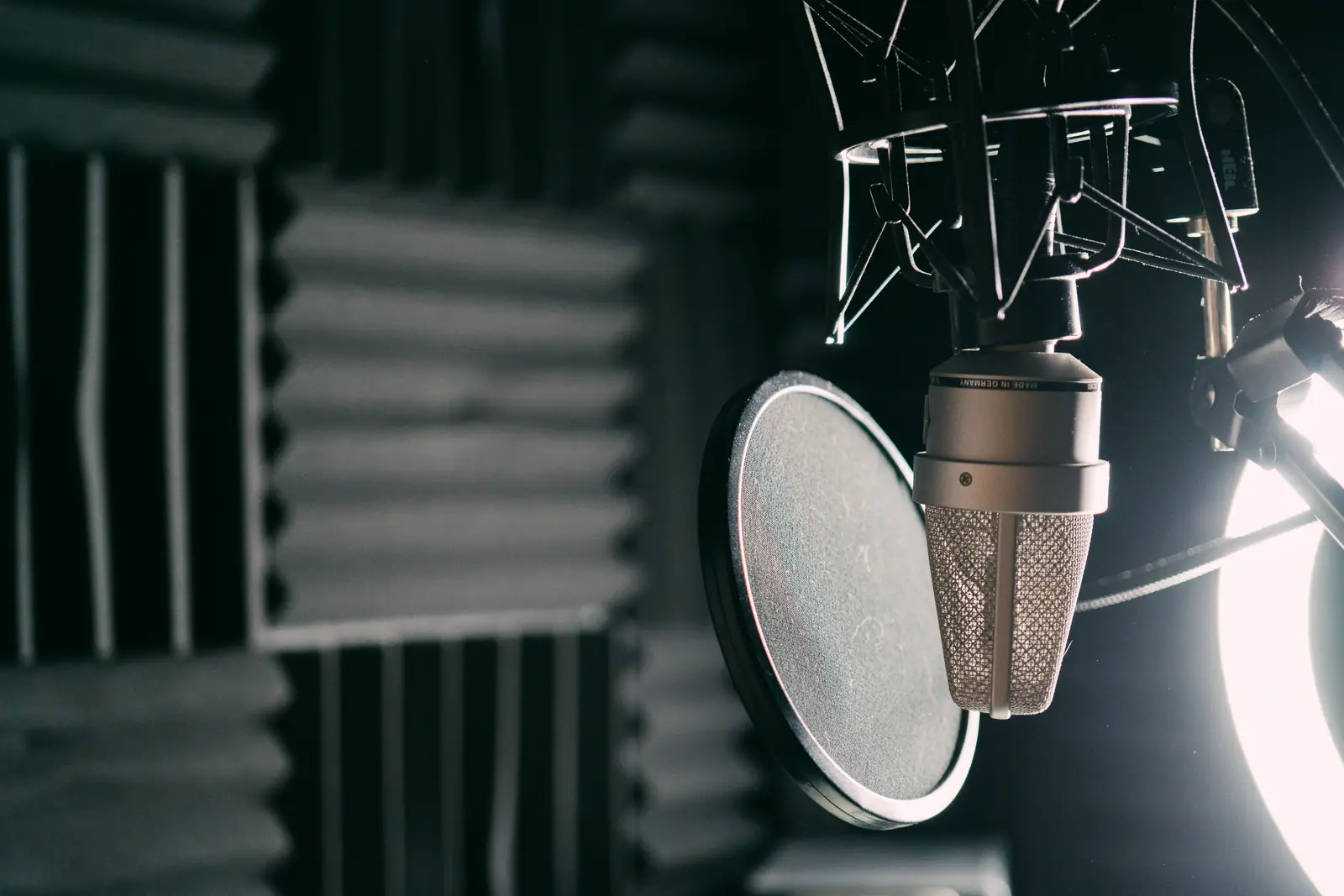
Soundproofing stops sound getting in. Acoustic treatment stops the room colouring what you record. They are different problems and most rooms solve only the first:
Every mix decision is made relative to a monitoring chain. If you cannot hear low end accurately you will mix it wrong, and the fault will not appear until the track is played somewhere else:
This is where most disputes happen, and it is entirely avoidable by agreeing the list before the session rather than after it:
Two different questions, and both get skipped. Ownership of the recording decides what you can do with it commercially. Custody of the session decides whether it can be changed at all in two years.
A studio that archives sessions can reopen your record to fix a line, build an instrumental, or produce an immersive version later. A studio that does not means any future change is a re-record. Ask what happens to the session after delivery, and get the answer in the agreement rather than the conversation.
⚠️ This one compounds quietly. The decision to keep multitracks is taken years before anyone asks for a version that needs them, and by then it cannot be reversed.
Rates in Pakistan vary by an order of magnitude and no published rate card survives contact with a real brief. What actually moves the number is the same everywhere: how much use you are buying, whether players are live or programmed, how many versions and durations you need, how many rounds of revision are inside the fee, and whether the schedule is genuinely compressed.
The most expensive mistake is not paying too much. It is scoping the usage too narrowly at the start and extending it later, when the leverage has moved.
If you are weighing rooms, the four questions above are the ones worth asking whoever you book — including us. We are happy to answer them before you decide.
Projects the studio lists under Original Music Production, the service line this guide sits under.
No. What matters is whether the space is acoustically treated and how the singer is placed in it. A treated corner of a modest room regularly outperforms an untreated booth, because the booth traps reflections close to the microphone where they do the most damage.
The final mix at 48 kHz 24-bit, separated stems, and an M&E version if the work might ever be dubbed or versioned. Agree the list before the session. Recovering a stem set afterwards means reopening the session, and only a studio that archives can do it.
For tracking a voice or live players, yes — someone has to be in the room. Mixing, mastering, editing and score are routinely delivered remotely, so the studio that records you does not have to be the studio that finishes the work.
Ask for work that shipped: a campaign that aired, a drama that ran, a track on a platform you can open. Then ask what they delivered on it — mix only, or score, stems and deliverables. The second answer tells you whether you are hiring a room or a service.
If you are weighing rooms, the four questions above are the ones worth asking whoever you book — including us. We are happy to answer them before you decide.
Studio credit
Elephant Audio
Audio production · Sound design · Music production
LahorePKEngineering sound since 2018
Last updated: