


Studio credit
Elephant Audio
Audio production · Sound design · Music production
LahorePKEngineering sound since 2018
Cinematic scoring and original soundtracks — the OST — for feature film, web series, documentary, and long-form digital storytelling, built cue by cue against locked picture.
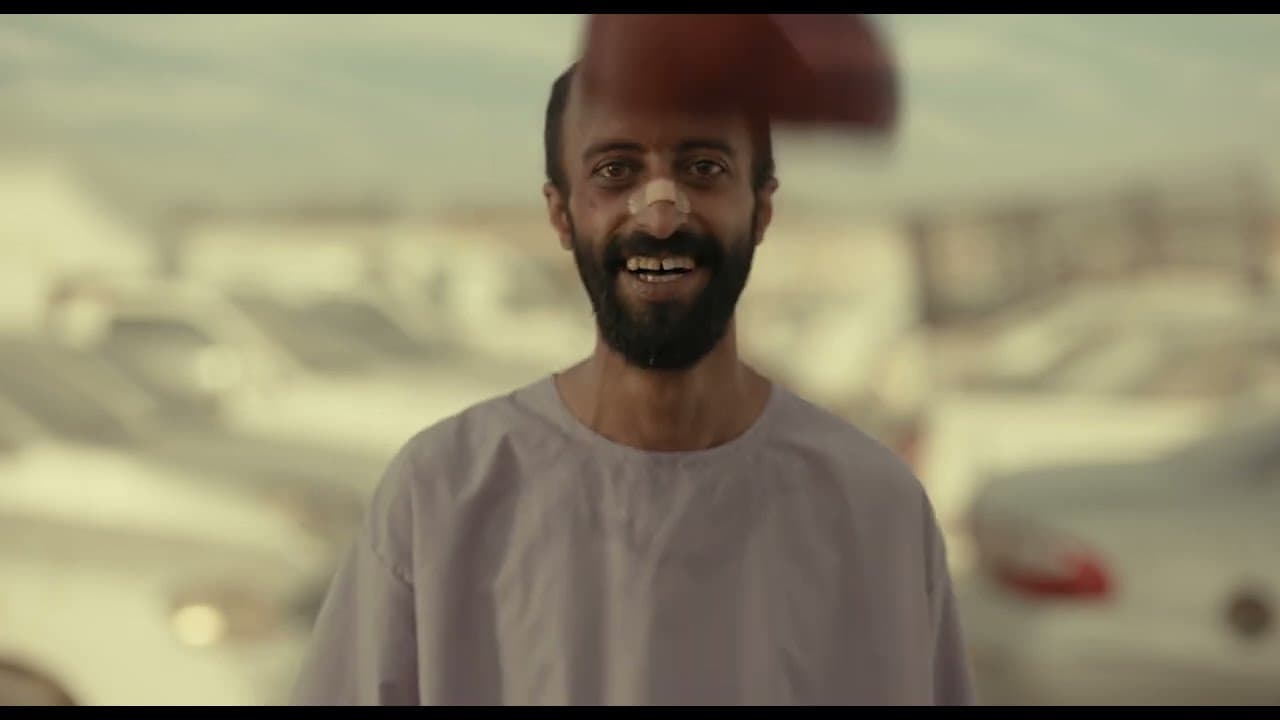
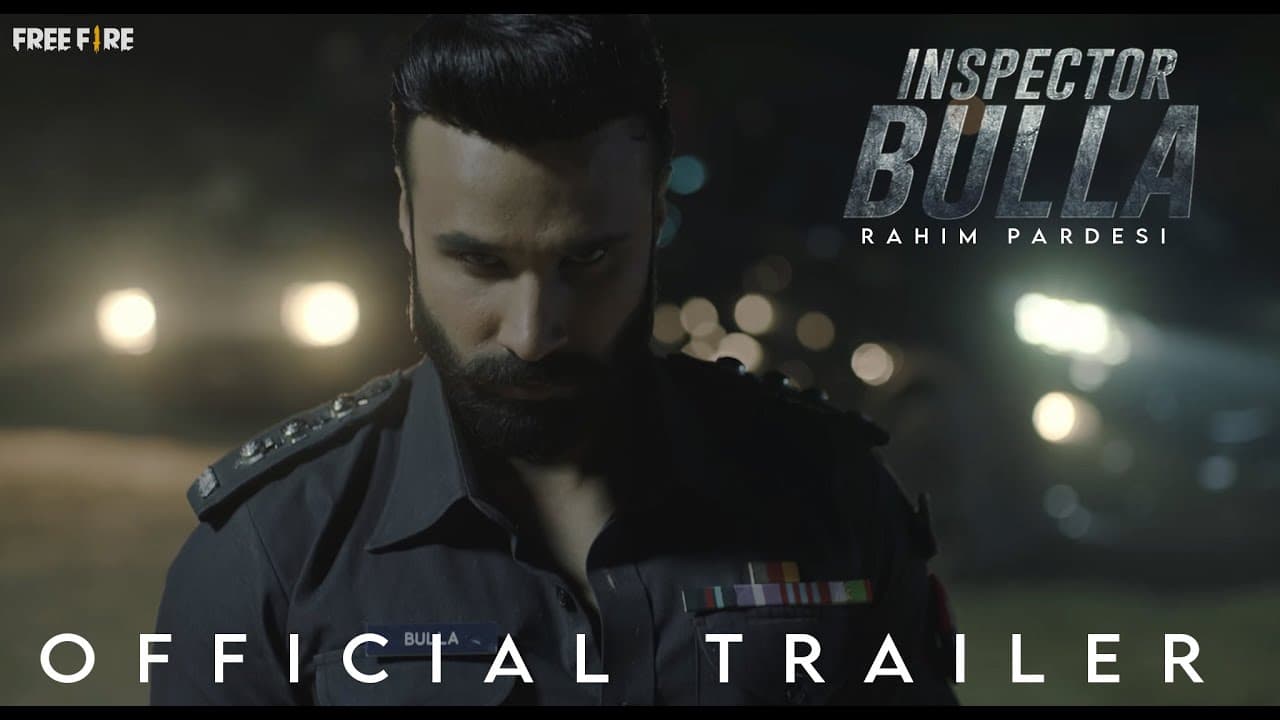
From the portfolio: PTCL — Dil Se — Connected by Purpose
Scoring starts with a spotting session against your locked cut. We sit with the director or showrunner and mark every cue in and out to the frame — where music enters, where it hands off to dialogue, where the right answer is silence. Each cue gets numbered by reel and position, so 2M3 is the third cue in reel two and everyone in the chain is talking about the same forty seconds of film. Nothing musical gets decided before that list exists.
The tempo map comes next, and it is where most of the risk sits. Once cues are written to a click locked against picture, a re-cut is not a trim — it is a conform, cue by cue, and the music has to land on the new frame or the sync reads as sloppy. This is why “locked” matters and why we ask what is genuinely locked versus what is still moving. We also ask what the temp score is, because an editor who has lived with a temp for six weeks hears the replacement against it whether they mean to or not.
From there we work in a hybrid template — sampled orchestra for the wide gestures, live players where the line has to breathe, synthesis where the storytelling pulls modern. The arrangement is built around dialogue from the first sketch, not corrected for it later: the consonants that carry intelligibility sit roughly between 2 and 4 kHz, so a string pad written through that band will fight every line under it, and no amount of riding the fader at the dub afterwards fully recovers what was arranged wrong.
Themes are written to survive re-orchestration. A theme that lands at minute eight should be recognisable at minute eighty on solo cello when it arrived on full ensemble — that is a property of the intervals and the rhythm, not of the instrumentation, and it is what makes a season’s worth of variations possible instead of eight unrelated pieces.
Delivery is 48 kHz, 24-bit — the film and broadcast standard — with the print master and the stems at the same rate and sample-aligned, so a re-recording mixer can drop them into the session and they sit frame-accurate without a nudge. The stems split dialogue, music and effects (DME) for the dub stage, and a music-and-effects (M&E) version goes out for foreign-language dubs, where the dialogue is replaced and everything else has to stand alone. ⚠️ If picture runs at 23.976 and the session was cut at 24, that is a 0.1% pull and it has to be agreed before anyone records, not discovered at the handoff.
The final target depends on where it plays, and the numbers are not interchangeable: theatrical lands around −27 LKFS, European broadcast at −23 LUFS under EBU R 128, US broadcast at −24 LKFS under ATSC A/85, and streaming platforms normalise toward roughly −14 LUFS on playback. A score mixed for a cinema and handed to a streamer is not wrong, but it is not finished either.
We watch the locked cut together with the director or showrunner, marking every moment where music enters, exits, or shifts emotionally. This becomes the cue list that drives the entire score. Typically 2–3 hours per feature.
Yes, selectively. Wide orchestral textures often start with samples and add live where a cue needs warmth — a solo cello, a live guitar phrase, or a small ensemble. Full live orchestral recording is coordinated separately when the budget supports it.
Yes. For episodics we build a theme bank and orchestration palette during the first episode that carries across the season, then adapt per episode. This is faster than scoring each episode from scratch and keeps the sonic identity consistent.
Reflows are normal in film. Minor recuts (a few seconds) are absorbed into the engagement. Major reshoots or restructures that require new musical material are scoped as additional cues.
More on how a project runs, or read the full studio FAQ.
Send a brief — you’ll hear back within 24 hours with a timeline and a quote.
Studio credit
Elephant Audio
Audio production · Sound design · Music production
LahorePKEngineering sound since 2018
Last updated: