



Studio credit
Elephant Audio
Audio production · Sound design · Music production
LahorePKEngineering sound since 2018
Composing original tracks, title tracks, themes, and sonic identities — written to picture or brand brief and produced to the loudness spec your delivery platform requires.
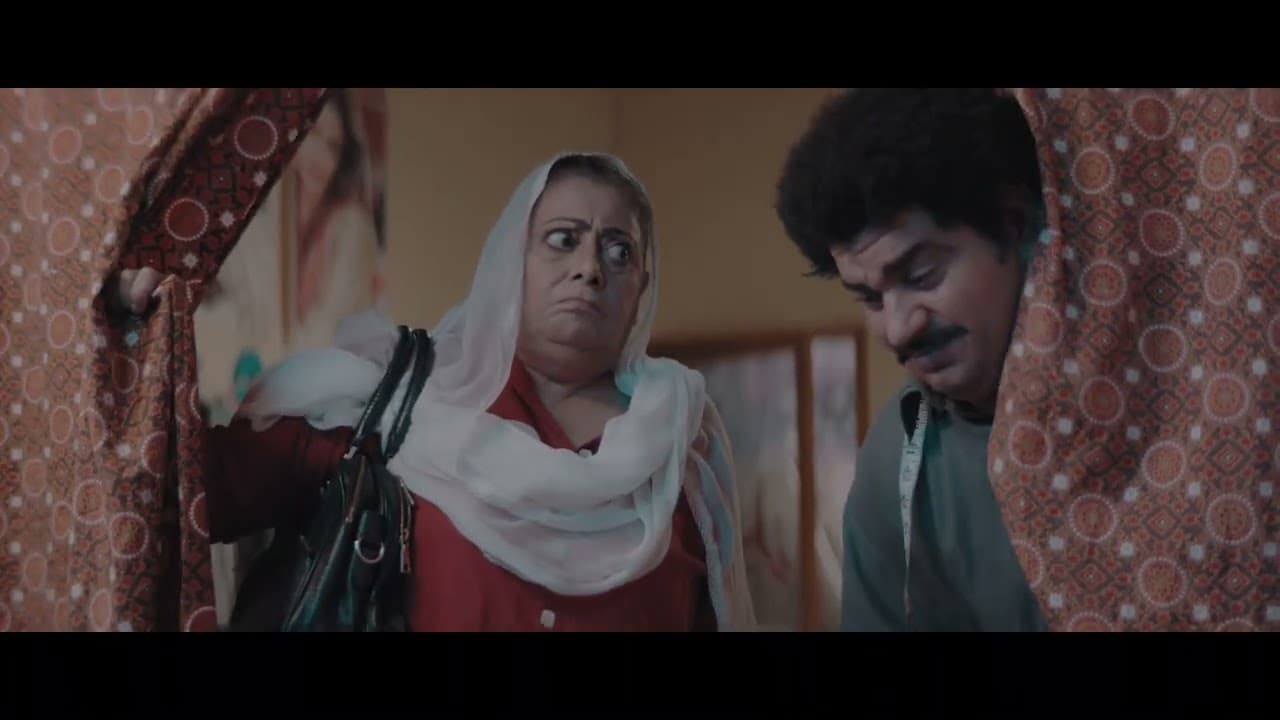
From the portfolio: PTCL — Dil Se — Connected by Purpose
Every original starts with a clear brief: what should the audience feel in the first ten seconds, where in the film or campaign does the cue land, and which references the team is gravitating toward. From there we sketch musical ideas against the picture before we ever open a multitrack — the structure exists before the sound design does.
Key and tempo are decided before the arrangement, because both are structural. Tempo has to sit against the edit — a cut every two seconds fights a 70 bpm ballad no matter how good the ballad is — and key gets chosen around whatever the piece has to live with: a vocal’s comfortable range, a sound effect that is already pitched, the hum of a location. Moving either afterwards is a re-record, not an adjustment.
Production happens in-house across Logic Pro and Pro Tools, with a hybrid palette of orchestral sample libraries (Spitfire, Native Instruments) and live instruments tracked at the studio. When a track wants a real saxophone or guitar, we record it; sampled instruments fill the spaces where MIDI legitimately reads as the intended texture. The honest test is exposure — a sampled section can carry a bed, and a solo line that sits in the front of the mix generally cannot.
Revisions are scoped into the engagement: two rounds are standard, with a third available when the brief itself moves. Stems are delivered separately from the bounce so your editor has headroom for late changes — and stems are the difference between a late note costing an afternoon and costing the session, because a full mix can only be turned up or down while stems can be rebalanced.
⚠️ The final mix targets where the music actually plays, and the numbers are not interchangeable. Theatrical lands near −27 LKFS, by convention rather than by published specification. European broadcast is −23 LUFS under EBU R 128; US broadcast is −24 LKFS under ATSC A/85. Streaming is a different kind of number entirely: Spotify normalises playback toward −14 LUFS and simply turns louder masters down, so mastering hot buys no loudness and costs dynamic range permanently. What matters more for a streaming release is leaving true-peak headroom, because a quiet master with peaks near full scale cannot be lifted to the target at all.
Ownership is set by the Statement of Work signed before the project starts. Default for client-commissioned work is full-buyout — the client owns the master and underlying composition on final payment. Library/spec work uses a separate license.
Some past work is available for re-license once the original engagement permits it. Get in touch with the project name and intended usage and we'll confirm the rights status within 24 hours.
Two rounds of revision are standard. Most projects ship in one or two. A third round is available if the brief itself changes substantially mid-project.
Yes — when the brief calls for an instrument or vocal that doesn't sample-replicate convincingly. We've tracked guitar, sax, percussion, and vocal sessions in-house and can coordinate string or brass sessions on a case-by-case basis.
More on how the studio runs a project, brief to delivery, or read the the studio FAQ.
Send a brief — you’ll hear back within 24 hours with a timeline and a quote.
Studio credit
Elephant Audio
Audio production · Sound design · Music production
LahorePKEngineering sound since 2018
Last updated: